Table of Contents
ToggleTransforming a yard from drab to fab doesn’t have to be a Herculean task. With a sprinkle of creativity and a dash of elbow grease, anyone can turn their outdoor space into a stunning oasis. Whether it’s a cozy garden nook or a vibrant flower bed that catches the eye, home landscaping ideas can elevate any property and impress the neighbors—who may or may not be secretly judging your grass length.
Overview of Home Landscaping Ideas
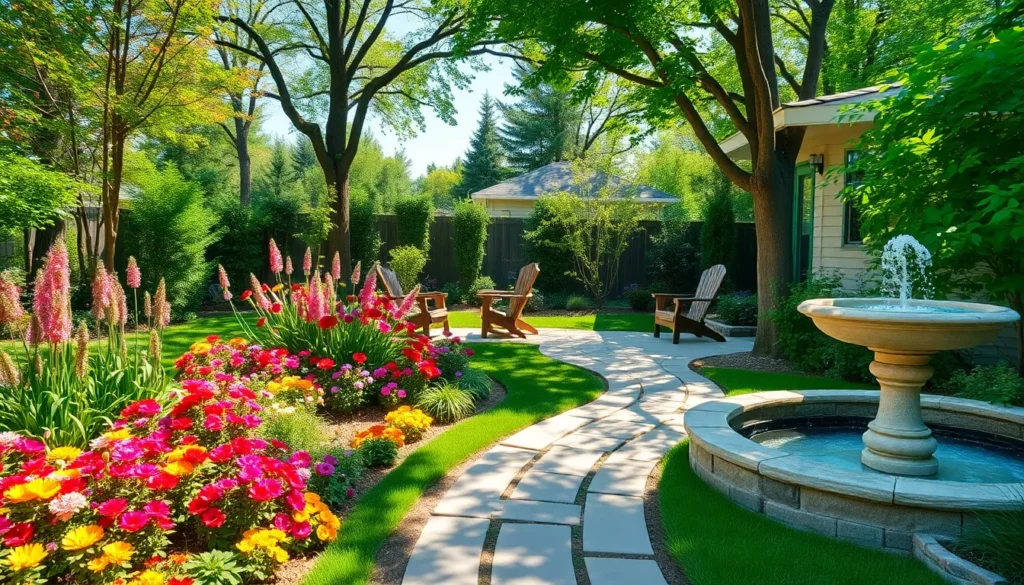
Transforming outdoor spaces offers various landscaping ideas that elevate the overall appearance of homes. Incorporating elements like colorful flower beds creates visual interest and enhances curb appeal. Adding pathways not only provides structure but also guides visitors through gardens, making every visit enjoyable.
Outdoor lighting highlights features, ensuring beauty and safety during the night. Water features, such as fountains or ponds, introduce tranquility and can attract local wildlife, enriching the environment. Trees and shrubs contribute shade and texture, promoting a diverse ecosystem while ensuring privacy from neighbors.
Incorporating seating areas effectively invites relaxation and social interaction. Materials such as stone or wood can create patios that seamlessly blend with the surrounding landscape. Vertical gardens or trellises adorned with climbing plants maximize space while providing stunning visuals.
Utilizing native plants presents sustainable landscaping that requires less maintenance. These plants thrive in local climates and promote biodiversity. Incorporating edible gardens encourages growing fruits and vegetables, combining aesthetics with functionality.
Using mulch or decorative stones can define garden beds and prevent weed growth, enhancing the overall design. Seasonal changes should influence plant choices, ensuring vibrant colors year-round, from spring blooms to autumn foliage.
In essence, each landscaping idea contributes to a cohesive and inviting outdoor environment. Prioritizing creativity and practicality allows homeowners to design spaces that reflect their personal taste while boosting property value.
Popular Landscaping Styles
Homeowners often choose specific landscaping styles to define their outdoor spaces. Each style offers unique characteristics, allowing for versatile and creative designs.
Modern Landscaping
Modern landscaping emphasizes clean lines and minimalistic design. This style typically features geometric shapes and a combination of natural elements with hardscaping materials like concrete or stone. Native plants often play a key role, providing greenery without excessive maintenance. Outdoor living areas, such as patios and decks, enhance functionality while maximizing space. The incorporation of sustainable practices, like rain gardens and xeriscaping, reflects a commitment to environmental stewardship.
Traditional Landscaping
Traditional landscaping draws inspiration from classical gardens seen throughout history. This style often includes lush flower beds, well-defined borders, and symmetrical layouts. Features like hedges, stone walls, and ornate pathways create a timeless appeal. Plant selection typically revolves around perennials and flowering shrubs to ensure year-round color. Additionally, traditional landscaping often incorporates water features, such as fountains or ponds, adding a serene element to any garden.
Xeriscaping
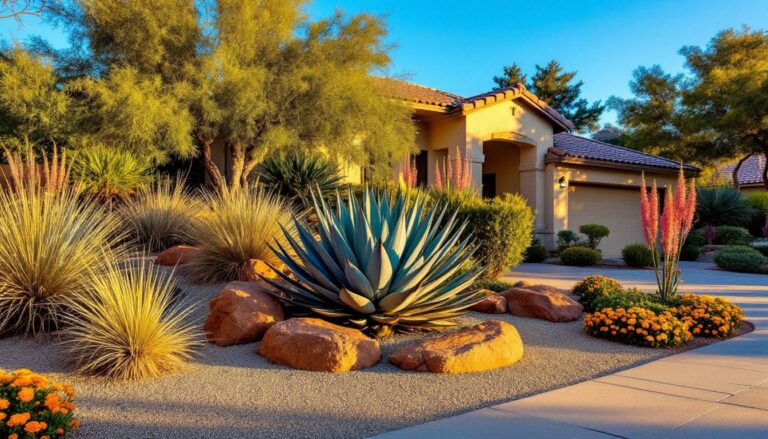
Xeriscaping emphasizes drought-resistant plants and efficient irrigation techniques. This landscaping approach prioritizes native, low-water plants that thrive in local climates, reducing the need for supplemental watering. Mulching plays a crucial role, retaining moisture and suppressing weeds while enhancing soil quality. Landscape designs often include decorative rocks, which provide visual interest and reduce soil evaporation. By fostering water conservation, xeriscaping supports both environmental sustainability and aesthetic appeal.
Essential Elements of Landscaping
Landscaping combines various elements that create an inviting and functional outdoor space. Key components include plants and hardscaping features that enhance the overall aesthetic.
Plants and Vegetation
Choosing the right plants forms the foundation of a successful landscape design. Colorful flower beds offer visual appeal and attract pollinators, while native plants ensure sustainability by thriving in local conditions. Incorporating diverse greenery provides textures and heights, creating visual interest. Feature trees and shrubs not only add shade but also contribute to biodiversity. Seasonal plants allow spaces to remain vibrant year-round, further elevating the overall design.
Hardscaping Features
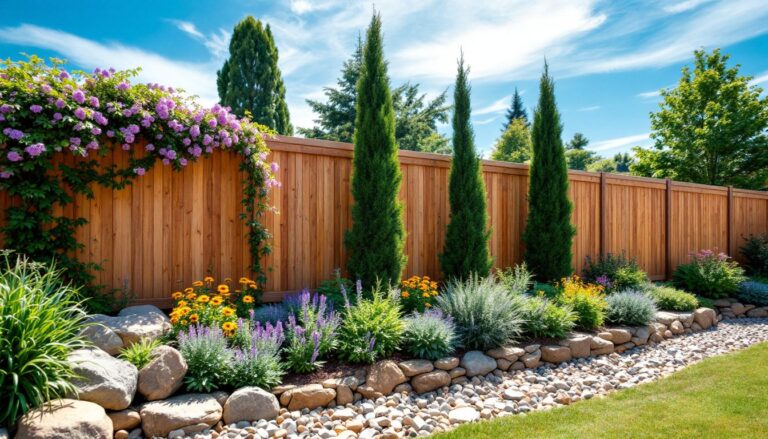
Hardscaping elements provide structure and functionality within a landscape. Pathways guide visitors and enhance the flow throughout outdoor areas. Patios serve as gathering spots, combining comfort with utility. Fences and walls define property boundaries and offer privacy. Retaining walls promote soil stability and create tiered gardens for added interest. Integrating materials like stone, brick, or concrete establishes a cohesive look, tying together natural and built environments.
Tips for Planning Your Landscape
Planning a landscape requires careful consideration of various elements. Homeowners should begin by evaluating their specific outdoor space, identifying strengths and challenges.
Assessing Your Space
Evaluate the topography and sunlight exposure in the yard. The layout of existing structures can influence plant placement and design. Consider the size of the area, since smaller spaces may benefit from vertical gardening techniques. Assessing soil quality proves essential; healthy soil promotes better growth. Noting existing features, like trees and hardscaping, fosters a cohesive design. Homeowners also can visualize potential features by using graph paper or digital landscape planning tools.
Budgeting for Your Project
Determining a budget establishes project feasibility. Calculate costs for plants, materials, and labor to maintain financial control. Consider setting aside about 10-15% for unexpected expenses. Prioritize significant features; larger elements like patios or decks often require more resources. Research local plant prices and hardscaping alternatives to find affordable options. Understanding potential maintenance costs plays an important role in long-term budgeting. Allocate funds for seasonal upkeep to keep the landscape vibrant year-round.
Transforming a yard into a stunning outdoor retreat is both an art and a science. With thoughtful planning and creativity homeowners can create spaces that reflect their personal style while enhancing their property’s value. By incorporating elements such as vibrant flower beds cozy seating areas and tranquil water features they can foster an inviting atmosphere for relaxation and entertainment.
Embracing various landscaping styles allows for versatility in design ensuring that each outdoor space feels unique and tailored. Ultimately the right combination of plants hardscaping and functional features will not only beautify the home but also promote sustainability and biodiversity. With these ideas in mind homeowners are well on their way to achieving a landscape that’s both beautiful and functional.