Table of Contents
ToggleYour entryway landscape is the handshake before the front door even opens. It sets the tone, signals care, and, when done right, makes visitors feel welcome before they ring the bell. But beyond aesthetics, a well-designed entry can boost property value, improve drainage, and cut down on maintenance headaches. Whether you’re working with a cramped stoop or a generous walkway, the right combination of plants, hardscaping, and lighting can turn a forgettable entrance into a standout feature. Here’s how to make it happen.
Key Takeaways
- Entryway landscaping ideas can increase home value by 5–11% and improve curb appeal, making it a smart investment beyond aesthetics.
- Strategic foundation plantings with evergreens for structure and layered perennials for color create a welcoming frame that requires minimal maintenance once established.
- Choose durable walkway materials like concrete pavers ($3–6/sq ft) or gravel ($1–3/sq ft) at least 4 feet wide, and edge properly to prevent material migration and define your landscape.
- Low-voltage LED path lights spaced 6–8 feet apart and accent uplighting on specimen plants dramatically enhance safety and curb appeal after dark without high installation costs.
- Container gardens with proper drainage, layered plantings (thriller, filler, spiller), and quality potting mix deliver instant impact and are reversible for renters or budget-conscious homeowners.
- Native plants, groundcovers instead of mulch, and drip irrigation systems create low-maintenance entryway landscapes that conserve water and reduce seasonal upkeep.
Why Entryway Landscaping Matters More Than You Think
First impressions aren’t just psychological, they’re quantifiable. Real estate professionals consistently cite curb appeal as a factor that can influence home values by 5–11%, depending on the market. Your entryway is the focal point of that first glance.
Beyond resale considerations, a thoughtfully designed entry solves practical problems. Proper grading and plant placement manage stormwater runoff, reducing erosion and foundation moisture issues. Strategic plantings can shield your porch from afternoon sun or buffer street noise. And a well-lit, clearly defined path improves safety for guests and delivery drivers alike.
There’s also the maintenance angle. A cohesive design with appropriate plant selections can cut your weeding, watering, and pruning time significantly. Choose the wrong plants, or skip hardscaping altogether, and you’ll be fighting weeds and replanting every season. Do it right once, and your entryway becomes a low-effort asset rather than a chore.
Foundation Plantings That Frame Your Entry
Foundation plantings anchor your home to the landscape and soften the transition between structure and soil. The goal is layering: tall shrubs or small ornamental trees at the corners, mid-height shrubs flanking the door, and low perennials or groundcovers filling gaps.
Start with evergreens for year-round structure. Boxwood (Buxus), dwarf Alberta spruce (Picea glauca ‘Conica’), and compact hollies (Ilex) are reliable workhorses in USDA zones 5–8. For warmer climates (zones 9–10), consider pittosporum or dwarf yaupon holly. These provide consistent green mass without the seasonal bare-branch look.
Add seasonal color with flowering shrubs and perennials. Hydrangeas (choose varieties suited to your sun exposure), azaleas, and dwarf spireas bloom reliably and tolerate a range of conditions. Layer in perennials like hostas, heuchera, or liriope at the base for texture contrast.
Mind mature size. This is where most DIYers go wrong. That cute 12-inch boxwood at the nursery will hit 3–4 feet in five years. Check the plant tag for mature dimensions and space accordingly, generally 24–36 inches apart for shrubs. Overcrowding leads to disease, poor air circulation, and extra pruning labor.
Avoid planting directly against siding. Leave at least 12–18 inches between plants and your home’s exterior. This gap allows airflow, reduces moisture against the foundation, and gives you room to maintain both the plants and the house.
Consider applying principles from broader landscape design when planning your entryway plantings, ensuring a cohesive look across your property.
Pathway and Walkway Design Ideas
Your walkway does more than connect the driveway to the door, it guides movement, defines space, and contributes significantly to curb appeal. The material you choose affects durability, aesthetics, and budget.
Concrete pavers offer the best balance of cost and longevity. Standard 12×12-inch or 16×16-inch pavers in gray or tan are widely available and easy to install on a compacted gravel base with polymeric sand joints. Expect to pay $3–6 per square foot for materials, depending on style. For a more upscale look, consider interlocking permeable pavers, which help manage runoff and qualify for stormwater credits in some municipalities.
Flagstone and natural stone bring texture and color variation but cost more, typically $15–30 per square foot installed. Irregular flagstone works well for informal cottage-style entries, while cut bluestone suits traditional or formal designs. Both require a sand-set or mortar-set base: mortar is more stable but less forgiving if the ground shifts.
Gravel or decomposed granite paths are budget-friendly ($1–3 per square foot) and drain well, but they require edging to prevent migration into planting beds. Use ¾-inch crushed stone over landscape fabric for a stable, low-maintenance surface. This works especially well for side entries or longer walkways where hardscape costs add up quickly.
Width matters. A 4-foot-wide walkway accommodates two people side by side comfortably and meets most residential building codes. Narrower paths feel cramped and wear faster in high-traffic areas. If you’re replacing an existing walk, check local codes, some jurisdictions require permits for walkway modifications, especially if you’re altering drainage patterns.
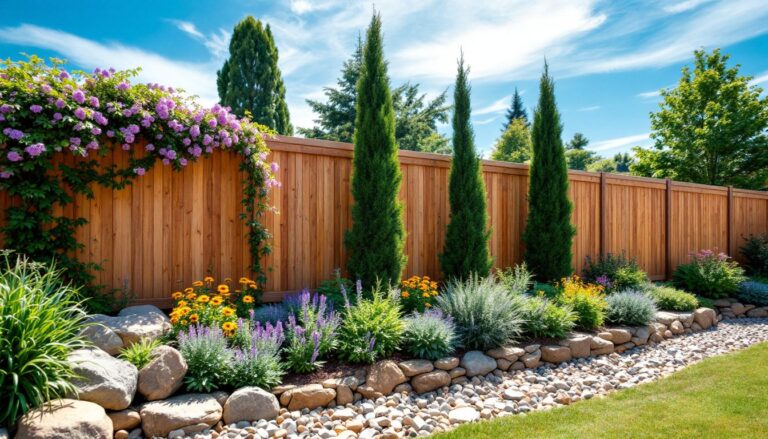
Edge it properly. Metal, plastic, or stone edging keeps the walkway material in place and creates a clean line against plantings. Steel edging bends easily for curves and lasts decades: plastic is cheaper but degrades in UV exposure. For a natural look, decorative landscaping stone can double as both edging and a design element.
Lighting Solutions to Enhance Curb Appeal
Good entryway lighting isn’t optional, it’s a safety requirement and a design multiplier. The right fixtures highlight your landscaping after dark, improve visibility, and make your home feel welcoming when you pull in after sunset.
Start with path lights. Low-voltage LED path lights (typically 12V systems) are DIY-friendly and energy-efficient. Space them 6–8 feet apart along walkways, positioned to cast light downward rather than glaring into visitors’ eyes. Look for fixtures with 2700–3000K color temperature for a warm, inviting glow.
Install a statement fixture at the door. Wall-mounted sconces flanking the entry or a pendant over the stoop create a focal point. Choose fixtures rated for wet or damp locations depending on exposure. If your porch has a ceiling, a flush-mount or semi-flush fixture provides overhead illumination without hanging too low.
Accent plantings with uplighting. Small 3–5W LED spotlights tucked at the base of a tree or tall shrub cast dramatic shadows and add depth. Aim the light up through the foliage, don’t blast it straight at the house. This technique works especially well with ornamental grasses, Japanese maples, or specimen evergreens.
Go low-voltage or solar where practical. Low-voltage systems run on a transformer plugged into a GFCI outlet and are Code-compliant for DIY installation in most jurisdictions. Solar path lights have improved significantly but still rely on adequate sun exposure during the day, they’re not ideal for shaded north-facing entries.
Consider smart controls. Timer switches or photocell sensors automate your lighting and cut energy waste. Smart bulbs or fixtures with app control let you adjust brightness or turn lights on remotely, a useful feature if you’re arriving home late or want to simulate occupancy while traveling.
Safety note: Any outdoor electrical work should follow NEC (National Electrical Code) standards. If you’re running new 120V circuits, hire a licensed electrician or pull a permit and have your work inspected.
Container Gardens and Porch Planters for Instant Impact
Containers are the quickest, most flexible way to add color and personality to your entryway, and they’re fully reversible if you change your mind or move. For renters or anyone working with a tight budget, pots deliver maximum impact with minimal commitment.
Choose containers proportional to your space. For a standard front porch, aim for pots at least 16–20 inches in diameter. Anything smaller looks insignificant and dries out fast. Larger planters, 24–30 inches, make bold statements flanking a door but require more soil and are harder to move once planted. Pair two matching pots for symmetry, or group odd numbers (three or five) in varying heights for a more casual look.
Material affects durability and weight. Fiberglass and resin planters mimic ceramic or concrete at a fraction of the weight, making them ideal if you need to move pots seasonally or live in a freeze-thaw climate. Terra cotta is classic but porous, it dries out quickly and can crack in winter if not stored properly. Glazed ceramic holds moisture better and adds color but is heavy. Metal (steel or aluminum) is durable and modern but heats up in direct sun, potentially stressing roots.
Drainage is non-negotiable. Every container must have drainage holes. If you fall in love with a pot without holes, use it as a decorative cache pot with a draining nursery pot nested inside. Sitting water kills more container plants than drought.
Plant in layers: thriller, filler, spiller. Start with a tall focal plant (the “thriller”), a cordyline, ornamental grass, or upright annual like a spike dracaena. Add mid-height, mounding plants (the “filler”), geraniums, petunias, or coleus. Finish with trailing plants (the “spiller”), sweet potato vine, ivy, or trailing lobelia. This formula works for sun or shade: just swap in appropriate plants.
Use quality potting mix, not garden soil. Bagged potting mix drains better and resists compaction. For large containers, fill the bottom third with empty plastic pots or packing peanuts (non-dissolving type) to save on soil cost and reduce weight.
Water consistently. Containers dry out faster than in-ground plantings, sometimes daily in summer heat. Self-watering planters or drip irrigation on a timer can save time and keep plants healthier if you travel or have a busy schedule. Ideas for budget-friendly curb appeal enhancements often include strategic container placements to maximize visual impact.
Low-Maintenance Entryway Landscaping Options
Not everyone has the time or inclination for weekly garden chores. A low-maintenance entryway design prioritizes durability, drought tolerance, and minimal pruning without sacrificing curb appeal.
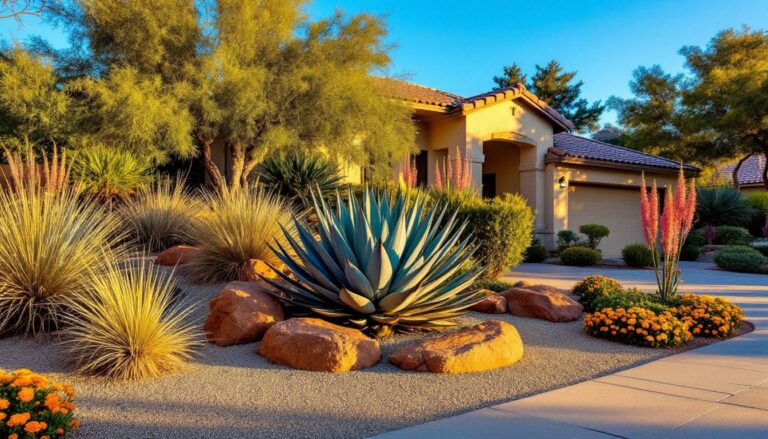
Opt for native and adaptive plants. Native species evolved in your region’s soil, rainfall, and temperature extremes, which means less watering, fewer pest problems, and better survival rates. Serviceberry (Amelanchier), switchgrass (Panicum virgatum), and native sedges thrive in a range of zones with minimal input once established. Adaptive plants, non-natives that naturalize well, like daylilies, coneflowers, and sedums also fit the bill. Incorporating elements from contemporary landscape design can help homeowners identify trending low-maintenance plant combinations.
Replace mulch beds with groundcovers. A 2–3 inch layer of shredded hardwood mulch suppresses weeds and retains moisture, but it breaks down and needs annual replenishment. Groundcovers like creeping thyme, ajuga, or pachysandra do the same job permanently once established. They also prevent soil erosion on slopes better than loose mulch. For a modern look, use decorative stone mulch in neutral tones, which lasts indefinitely and never needs topping off.
Install drip irrigation or soaker hoses. Hand-watering is time-consuming and inconsistent. A drip irrigation system with a timer costs $100–300 for a typical entryway and pays for itself in water savings and healthier plants. Run it on a battery-operated timer if you don’t have an outdoor outlet nearby.
Limit high-maintenance annuals. Annuals like petunias and impatiens offer non-stop color but require deadheading, fertilizing, and seasonal replanting. Trade some of that for long-blooming perennials, coreopsis, salvia, and catmint bloom for months with minimal deadheading. Many rustic landscaping ideas emphasize perennials that return year after year with little fuss.
Avoid plants that sucker, seed aggressively, or require frequent shearing. Skip burning bush (invasive in many regions), Bradford pear (weak branches), and traditional privet (constant pruning). Substitute compact, slow-growing cultivars that hold their shape naturally.
Consider artificial turf for problem areas. If you have a narrow strip of lawn that’s a pain to mow or stays patchy, modern artificial turf looks surprisingly realistic and requires only occasional rinsing. It’s a practical solution for high-traffic or heavily shaded zones where grass struggles. Projects that boost home value through landscaping often prioritize maintenance reduction as much as visual appeal.
Conclusion
An effective entryway landscape doesn’t require a landscape architect’s budget or a contractor’s toolkit. It needs thoughtful plant selection, solid hardscaping fundamentals, and lighting that works after dark. Start with one or two high-impact changes, new containers, a defined walkway, or foundation plantings that frame your door, and build from there. The goal isn’t perfection: it’s a welcoming, functional entry that holds up to weather, foot traffic, and real life.