Transforming a yard into a stunning landscape is like giving your home a stylish accessory. It’s not just about planting flowers; it’s about creating a vibrant outdoor space that makes you want to throw a party for the squirrels. With a little creativity and the right plants, anyone can turn a plain patch of grass into a picturesque paradise that even the neighbors will envy.
What Is Home Landscaping?
Home landscaping involves designing and enhancing outdoor spaces around a property. It focuses on creating appealing environments that complement a home and elevate its aesthetic appeal.
Definition and Importance
Home landscaping refers to the process of arranging or modifying the features of a yard or garden. This process includes choosing plants, trees, and structures to create a cohesive and inviting outdoor atmosphere. Homeowners may enhance their property’s beauty and increase its market value through well-planned landscaping. Additionally, effective landscaping improves functionality and promotes relaxation by creating comfortable outdoor living spaces.
Elements of Home Landscaping
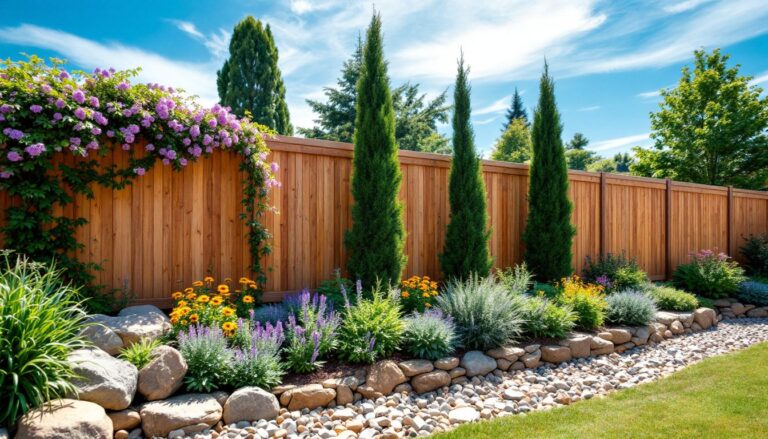
Key elements define effective home landscaping. Plants play a crucial role; they provide color and texture while improving air quality. Hardscapes can include patios and walkways, aiding in functionality and guiding movement through the yard. Focal points, such as garden sculptures and water features, can attract attention and create interest. Lighting enhances safety and ambiance, making outdoor areas usable after sundown. Overall, combining these elements results in a harmonious landscape that fulfills both aesthetic and practical needs.
Planning Your Home Landscaping
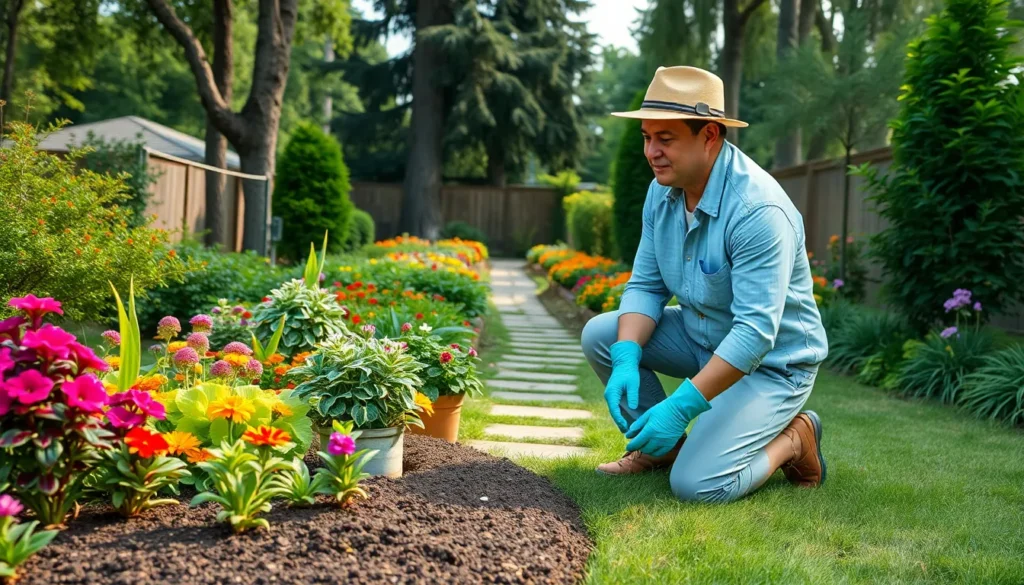
Planning effective landscaping requires careful consideration of the existing space and the desired outcome. Identifying key elements helps create an appealing outdoor environment.
Assessing Your Space
Evaluate the yard’s size and shape before making decisions. Consider sunlight exposure, drainage patterns, and existing vegetation. Observing areas of shade or sun helps determine suitable plants. Assess pathways and existing hardscapes to identify functional components needing updates. Document potential focal points like trees and structural elements. Measuring dimensions allows for accurate planning and layout design.
Setting a Budget
Establish a budget based on the scope of the landscaping project. Determine costs for plants, soil, and hardscapes at local garden centers. Include potential expenses for landscape design services or professional installation. Setting aside a contingency fund for unforeseen expenses ensures flexibility. Prioritizing essential elements allows for adjustments if costs exceed expectations. Analyzing costs enables better decisions regarding materials and labor.
Popular Home Landscaping Ideas
Home landscaping encompasses a variety of ideas that enhance outdoor spaces. Several popular options cater to different tastes and preferences.
Flower Beds and Gardens
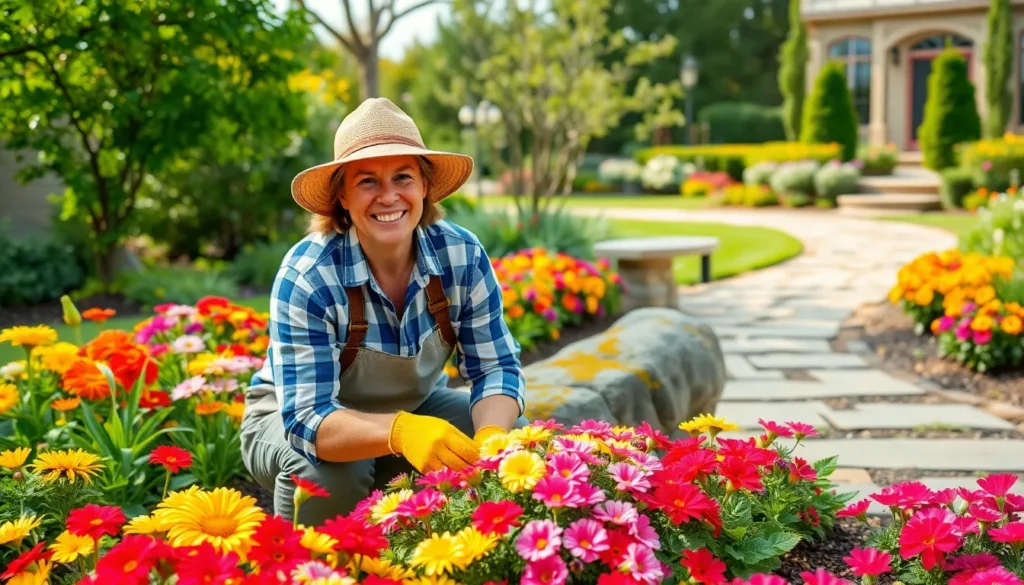
Flower beds bring color and life to any outdoor area. Homeowners often select a mix of perennials and annuals for continuous bloom throughout seasons. Consider using native plants to minimize maintenance and support local wildlife. Raised garden beds can also provide better control over soil quality and drainage. Adding mulch helps retain moisture and reduces weeds, making flower beds both beautiful and functional.
Patios and Outdoor Living Spaces
Creating patios expands usable outdoor areas. Materials like stone, brick, or pavers provide durable surfaces for entertaining. Designing spaces with comfortable furniture encourages relaxation and social gatherings. Incorporating features such as fire pits or outdoor kitchens enhances functionality and enjoyment. Shade structures like pergolas or umbrellas protect from harsh sun while adding visual interest.
Walkways and Pathways
Walkways guide visitors through landscaped areas. Choose materials that complement the overall design. Gravel, slate, or concrete pavers work well for various styles. Proper pathway placement can improve accessibility and create inviting transitions between different sections of the yard. Incorporating lighting along walkways increases safety and adds ambiance at night.
Maintenance Tips for Home Landscaping
Proper maintenance ensures a healthy and beautiful landscape. Regular attention helps to keep outdoor spaces thriving throughout the year.
Seasonal Care
Adjust care based on seasonal changes. In spring, focus on weeding, pruning, and planting. Summer requires more frequent watering and mulching to retain moisture. During fall, prepare for winter by clearing debris and trimming plants. Winter care includes protecting sensitive plants and planning for spring rejuvenation. This seasonal approach fosters a vibrant landscape that remains appealing year-round.
Pest Control and Health
Monitor plants for signs of pests or disease. Employ integrated pest management strategies that combine natural predators with chemical treatments when necessary. Regularly inspecting plants aids in early detection of issues. Healthy soil supports robust plant growth, making fertilization crucial. Use organic fertilizers to enrich soil without harmful side effects. Maintaining plant health minimizes pest issues and promotes a thriving landscape.
Common Mistakes to Avoid
Home landscaping requires thoughtful planning and execution to avoid common pitfalls. Recognizing these mistakes helps create a beautiful outdoor space.
Overlooking Local Climate
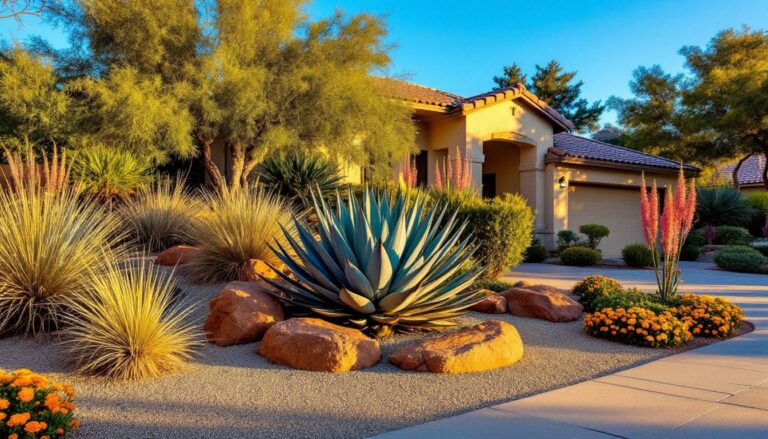
Local climate plays a critical role in selecting plants and designing landscapes. Many choose plants without considering their adaptability to the area’s weather conditions. Failing to account for temperature extremes, rainfall patterns, and seasonal variations leads to poor plant health and wasted resources. Homeowners should choose native plants, which thrive in local environments, to reduce maintenance requirements and promote sustainability. Referencing climate zones provides guidance on which plants are best suited for particular regions. Incorporating local climate knowledge ensures a resilient and successful landscape.
Ignoring Soil Quality
Soil quality is vital for healthy plant growth, yet often neglected. Many overlook testing soil before planting, resulting in poor drainage or nutrient deficiencies. Healthy soil promotes robust root systems and vigorous plants. A soil test reveals pH levels and nutrient content, guiding amendments like compost or fertilizers. Improving soil structure enhances water retention and aeration, fostering optimal plant conditions. Regular soil maintenance, including mulching and aeration, strengthens overall landscape health. Addressing soil quality ensures a solid foundation for vibrant landscaping.
Creating a stunning home landscape is a rewarding journey that combines creativity and practicality. By thoughtfully planning the layout and selecting the right plants and materials, homeowners can craft outdoor spaces that not only enhance their property’s beauty but also increase its value.
Regular maintenance is key to preserving the landscape’s vibrancy and health throughout the seasons. Avoiding common pitfalls like neglecting soil quality and failing to consider local climate ensures a thriving environment.
With careful attention to detail and an understanding of essential landscaping principles, anyone can transform their yard into a beautiful oasis that reflects their personal style and enhances their home.