Table of Contents
ToggleBackyards have evolved from simple patches of grass into purposeful outdoor rooms. A modern backyard isn’t about chasing trends, it’s about clean lines, functional zones, and materials that last. Whether tackling a full overhaul or making targeted updates, modern backyard landscaping ideas prioritize simplicity, low maintenance, and year-round usability. This guide covers hardscaping choices, plant selection, outdoor living setups, lighting, and budget-conscious upgrades that bring contemporary design to any yard.
Key Takeaways
- Modern backyard ideas prioritize clean lines, functional zones, and durable materials like concrete and steel over ornamental excess and traditional designs.
- Hardscaping—including poured concrete ($6–$12/sq ft), large-format pavers ($8–$15/sq ft), and steel edging—anchors contemporary outdoor spaces and reduces maintenance demands.
- Low-maintenance plants such as ornamental grasses, architectural perennials, and native species deliver structure and color without constant deadheading or fertilizing.
- Smart lighting, automated irrigation, and weather-resistant outdoor audio extend usability and efficiency while integrating seamlessly with modern home systems.
- Budget-conscious updates like concrete staining ($100–$300), DIY planters ($20–$40), and incremental hardscaping allow you to build a modern backyard over time.
What Defines a Modern Backyard Design?
Modern backyard design strips away ornamental excess. It favors geometric layouts, neutral color palettes, and materials like concrete, steel, and composite decking over traditional wood pickets and mulched beds.
Key characteristics include:
- Clean lines and simple forms. Rectangular patios, linear planters, and defined zones replace meandering paths and cluttered flowerbeds.
- Limited material palette. Stick to two or three materials, poured concrete, cedar, and steel, for example, to maintain visual cohesion.
- Function over decoration. Every element serves a purpose: seating, shade, privacy, or planting.
- Integration with architecture. Modern yards extend the home’s design language outdoors, matching siding colors, rooflines, and window trim.
This approach doesn’t mean sterile. Texture comes from plantings, stone aggregate, and wood grain. The goal is intentional simplicity, not emptiness.
Sleek Hardscaping and Minimalist Layout Ideas
Hardscaping anchors modern backyard landscaping. It defines zones, reduces lawn area, and sets the visual tone.
Poured Concrete and Large-Format Pavers
Poured concrete is the workhorse of modern design. A 4-inch slab over compacted gravel provides a durable patio surface. Finish options include broom finish (slip-resistant), trowel smooth (sleek but slick when wet), or exposed aggregate (textured and decorative). Budget around $6–$12 per square foot for basic installs, more for decorative finishes or integrated color.
Large-format pavers (24″ × 24″ or larger) minimize grout lines and create a seamless look. Porcelain pavers resist staining and fading better than concrete, though they cost $8–$15 per square foot installed. Set them on a leveled sand base with polymeric sand joints.
Gravel and Decomposed Granite Zones
Loose materials like ¾-inch crushed granite or decomposed granite (DG) work well for paths and low-traffic areas. DG compacts into a firm, permeable surface and costs $0.40–$0.80 per square foot. Edge it with steel or aluminum to prevent migration. Gravel drains quickly but needs periodic raking and replenishment.
Steel and Composite Edging
Ditch plastic lawn edging. Use ⅛-inch steel strip (4–6 inches tall) for crisp bed borders and to separate gravel from lawn. Steel develops a rust patina that complements modern plantings. Composite or aluminum edging stays clean-lined and won’t corrode but lacks the industrial aesthetic.
Geometric Layouts
Divide the yard into rectangles or squares. A practical approach to landscaping involves measuring the space, sketching zones on graph paper, and staking corners before breaking ground. Use string lines to ensure 90-degree corners and parallel edges.
Contemporary Outdoor Living Spaces
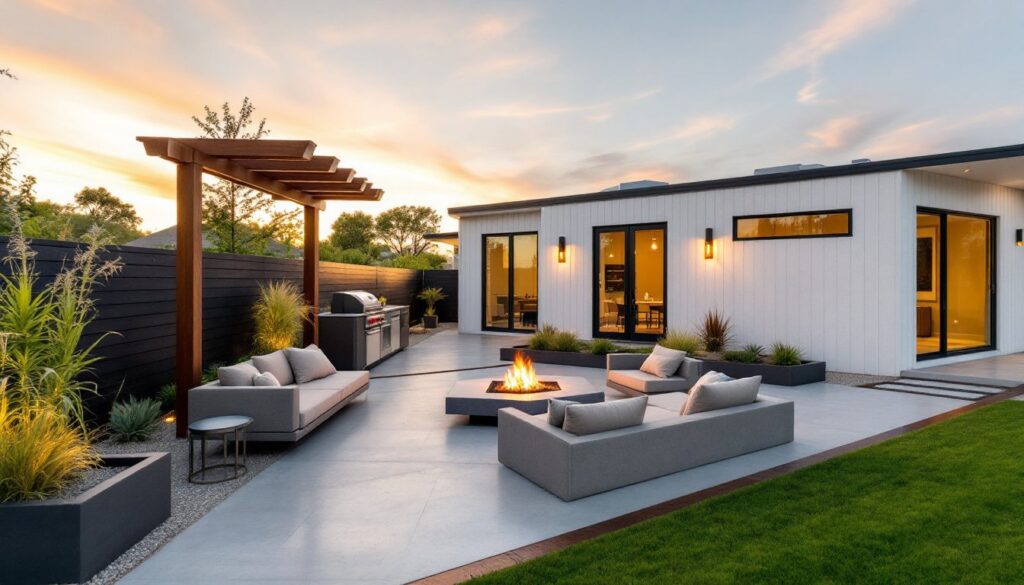
Modern backyards blur the line between indoors and out. They incorporate built-in seating, outdoor kitchens, and weather-resistant materials that withstand year-round use.
Built-In Seating and Fire Features
Concrete or CMU benches integrate storage and seating. Build a simple bench by stacking 8″ × 8″ × 16″ concrete blocks to 16–18 inches tall, capping with 2-inch bluestone or concrete pavers, and adding cushions. Embed rebar for stability if the bench exceeds 4 feet.
Fire pits anchor gathering zones. Prefab steel rings run $200–$600. DIY pits using firebrick and a natural gas or propane burner cost $400–$800 in materials. Always check local codes, many jurisdictions restrict open flames or require permits for permanent installations.
Pergolas and Shade Structures
Modern pergolas favor flat or minimally pitched roofs with 2″ × 8″ or 2″ × 10″ rafters spaced 16–24 inches on center. Attach to ledger boards bolted to the house (use lag screws into studs or masonry anchors) and set posts in concrete footings below the frost line.
Alternatively, shade sails (UV-rated, tensioned fabric) offer flexibility without permanent framing. Anchor to posts or existing structure with stainless steel hardware. Expect $150–$400 per sail depending on size.
Outdoor Kitchens
Basic setups include a built-in grill, counter space, and storage. Use cement board or steel studs for framing, tile or stucco for exterior finishes, and granite or porcelain slab countertops. Run a dedicated 20-amp GFCI circuit for small appliances and verify gas line sizing (typically ½-inch black iron for a grill plus side burner). This is a job for a licensed plumber and electrician if you’re adding new utilities.
Modern Landscaping with Low-Maintenance Plants
Modern backyard design ideas lean on plants that deliver structure and color without constant deadheading or fertilizing.
Grasses and Structural Perennials
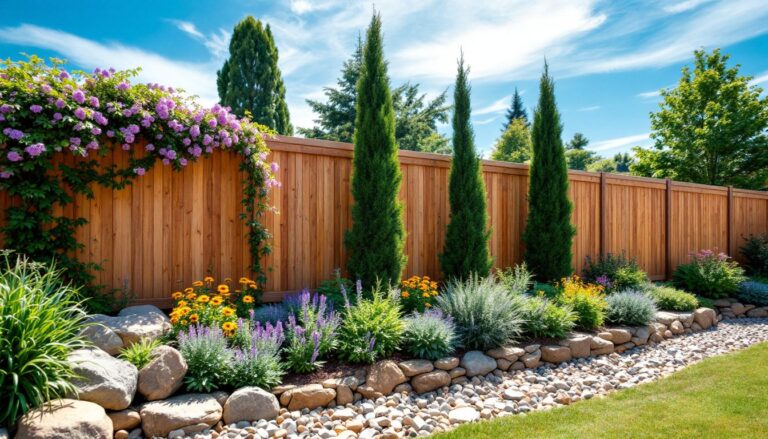
Ornamental grasses like Calamagrostis (feather reed grass) or Panicum virgatum (switchgrass) provide vertical interest and movement. Plant in masses of three or five, spaced 18–24 inches apart. They tolerate drought once established and need only an annual cutback in late winter.
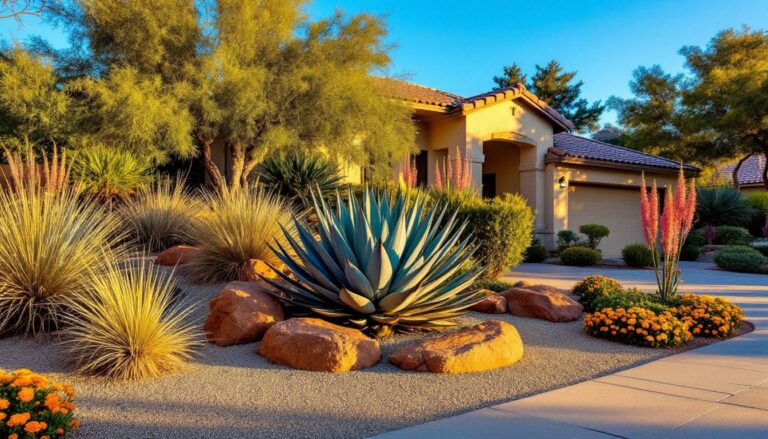
Architectural perennials include Agave, Yucca, and Euphorbia. These thrive in full sun and well-drained soil. Pair with low groundcovers like Sedum or Dymondia to suppress weeds and soften hardscaping edges.
Evergreen Hedges and Screens
For privacy, consider boxwood (Buxus), privet (Ligustrum), or arborvitae (Thuja). Space according to mature width, typically 2–3 feet on center for a tight hedge. Trim once or twice per year to maintain shape. In warmer zones, bamboo (clumping varieties like Fargesia) grows quickly but requires root barriers to prevent spread.
Native and Drought-Tolerant Selections
Natives reduce irrigation and support local pollinators. In the Southwest, use Penstemon, Salvia, and Agastache. In the Pacific Northwest, Mahonia, Ribes, and Arctostaphylos fit modern schemes. Refer to county extension offices for region-specific lists.
Mulch and Weed Control
Skip dyed mulch. Use ¾-inch river rock, lava rock, or natural bark nuggets in 2–3 inch layers over landscape fabric. Fabric blocks weeds but allows water penetration. Avoid thick layers that trap moisture and promote rot near plant crowns.
Lighting and Technology for a Modern Backyard
Thoughtful lighting extends usability after dark and highlights architectural features.
Low-Voltage LED Path and Accent Lights
12-volt LED systems are DIY-friendly and energy-efficient. A typical kit includes a transformer (plug into a GFCI outlet), 12/2 or 14/2 landscape wire, and fixtures. Bury wire 6 inches deep in conduit or direct-burial cable.
Place path lights every 6–10 feet along walkways. Use uplights at the base of trees or architectural plants to cast dramatic shadows. Wash lights graze walls or fences with even illumination.
Smart Controls and Timers
Integrate lighting with smart home systems using Wi-Fi-enabled transformers or plug-in smart switches. Schedule on/off times, dim levels, and color temperature (2700K warm white for ambiance, 3000K for task areas). Brands like Kichler and FX Luminaire offer dedicated landscape systems.
Outdoor Audio and Wi-Fi
Weather-resistant speakers (IP65 or higher) mount to posts, pergolas, or under eaves. Run speaker wire through conduit to a sheltered amplifier. Bluetooth range is limited outdoors: consider a Wi-Fi mesh extender or hardwired access point in a weatherproof enclosure.
Irrigation Automation
Modern backyard landscaping ideas often include efficient outdoor design principles that reduce water waste. Drip irrigation delivers water directly to root zones, cutting usage by 30–50% compared to overhead spray. Pair with a smart controller that adjusts schedules based on weather data and soil moisture sensors. Expect to spend $200–$600 for a basic drip system covering 500–1,000 square feet.
Budget-Friendly Modern Backyard Updates
A full renovation isn’t always necessary. Targeted updates deliver modern impact without very costly.
Paint and Stain Refresh
A fresh coat of solid-body stain on a tired deck transforms it for $50–$150 in materials (coverage: 200–350 sq ft per gallon). Use exterior acrylic in charcoal, black, or dark gray on fences to create a modern backdrop. Prep is critical: pressure wash, scrape loose paint, and prime bare wood.
DIY Concrete Planters
Cast planters using two nested cardboard boxes and concrete mix. Line the larger box with plastic, pour a 2-inch base, set the smaller box inside, fill the gap with concrete, and let cure for 48 hours. Seal with a penetrating concrete sealer. Total cost: $20–$40 per planter.
Swap Out Dated Fixtures
Replace ornate post caps, outdated house numbers, and old light fixtures with minimalist alternatives. Black or brushed nickel finishes read modern. Shop clearance or secondhand for budget options.
Define Zones with Paint or Stain
If a full patio install isn’t feasible, stain or paint existing concrete. Acid stains penetrate and create mottled, natural tones. Concrete paints (epoxy or acrylic) provide solid color. Clean, etch (if using acid stain), and apply per manufacturer instructions. Expect $100–$300 for a 200-square-foot patio.
Incremental Hardscaping
Start with one zone, a gravel seating area or a small paver patio, and expand over time. Buy materials in bulk (by the pallet or ton) to save 15–30% compared to bagged products.
Conclusion
Modern backyard design isn’t about perfection, it’s about intention. Clean lines, durable materials, and functional zones create outdoor spaces that work year-round. Start with one project, whether that’s upgrading hardscaping, adding lighting, or swapping in low-maintenance plants. Each improvement builds toward a cohesive, usable yard that extends living space beyond four walls.