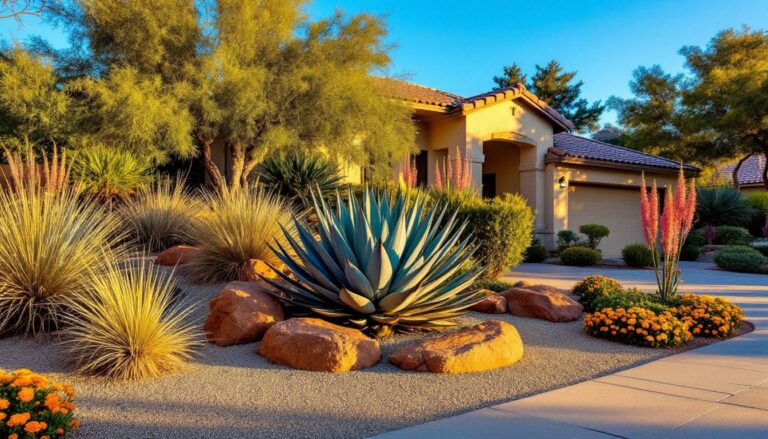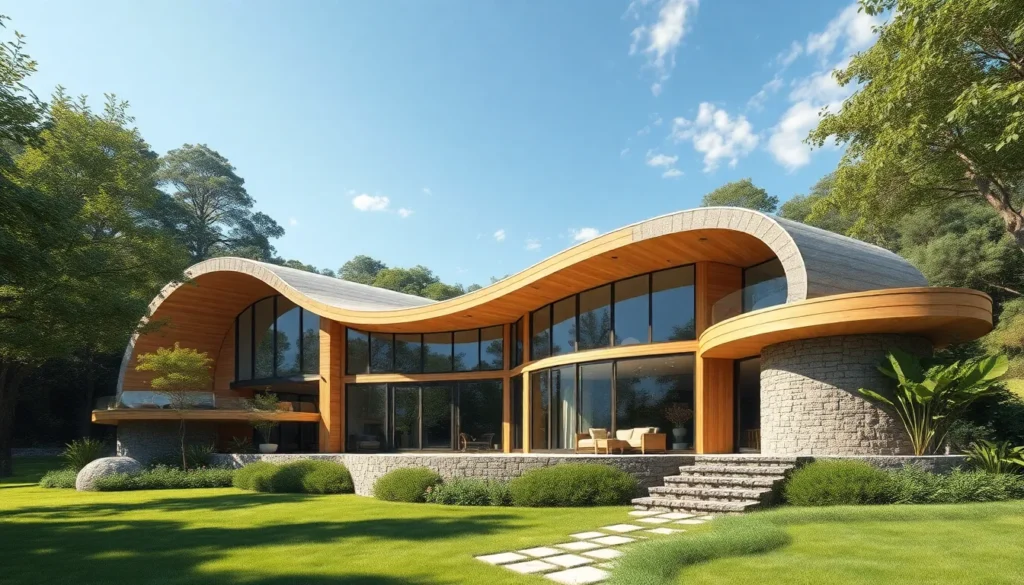
Imagine living in a home that feels like it sprouted straight from the earth, where walls curve like tree trunks and windows mimic the shape of leaves. Organic architecture designs do just that, blending seamlessly with nature while offering a unique aesthetic that leaves conventional structures in the dust. It’s not just about pretty buildings; it’s about creating spaces that nurture the soul and respect the environment.
In a world of cookie-cutter homes and bland cityscapes, organic architecture stands out like a sunflower in a sea of daisies. With its emphasis on natural materials and harmonious forms, this design philosophy invites homeowners to embrace their surroundings. So, if you’re tired of living in a box and want a space that reflects the beauty of the world outside, dive into the enchanting realm of organic architecture. Who knew going green could look this good?
Understanding Organic Architecture Designs
Organic architecture embodies design principles that promote harmony between built environments and nature. This approach prioritizes natural materials and shapes that mirror the landscapes.
Definition and Principles
Organic architecture refers to structures that integrate with their surroundings. This design philosophy emphasizes fluid lines and natural forms that echo the organic shapes found in nature. Key principles include sustainability, which encourages the use of eco-friendly materials and energy-efficient systems. Another principle promotes the creation of spaces that enhance well-being through natural light and ventilation. Spaces encourage connection with the environment, evoking emotions and fostering a sense of place.
Historical Context
Historical roots of organic architecture trace back to the early 20th century. Architects such as Frank Lloyd Wright pioneered this movement, promoting designs that celebrate the landscape. His iconic buildings, like Fallingwater, demonstrate how structures can blend seamlessly with their environment. The philosophy gained momentum during the 1960s, with figures like Christopher Alexander advocating for designs that prioritize human experience. A growing awareness of environmental issues has led to a resurgence in organic architecture, influencing contemporary designs that strive for harmony with nature.
Key Features of Organic Architecture Designs
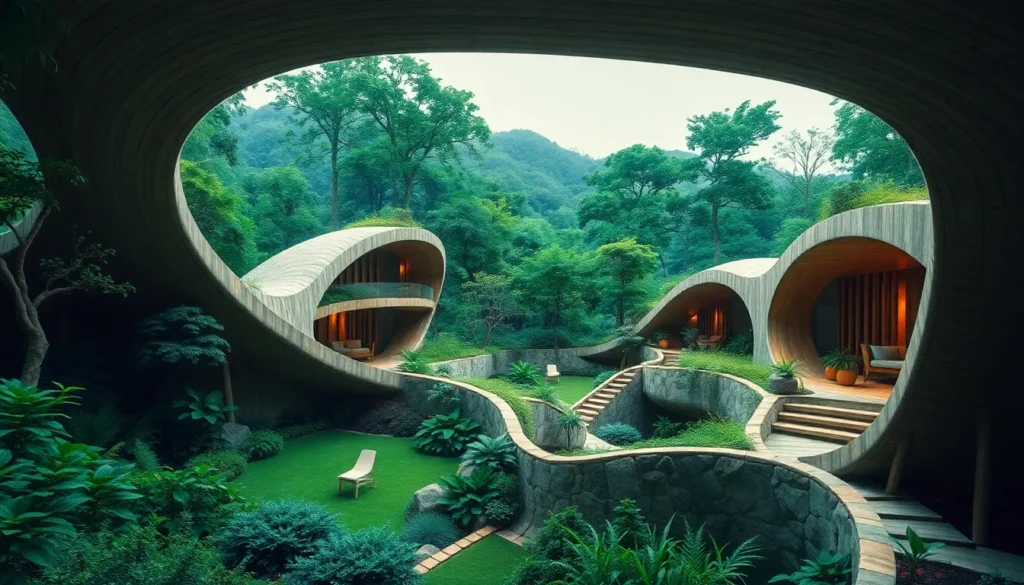
Organic architecture features distinct elements that connect structures to their natural surroundings. These characteristics promote sustainability and a harmonious living experience.
Harmony with Nature
Harmony with nature defines organic architecture. Designs incorporate the landscape’s contours, aligning structures with the topography. Curves and organic forms replicate natural shapes, enhancing aesthetic appeal. Architects often orient buildings to maximize natural light, minimizing reliance on artificial sources. Integrating outdoor spaces, such as gardens and terraces, fosters seamless transitions between interiors and exteriors. The intention lies in creating environments that resonate with their surroundings. Such designs encourage occupants to engage with nature, cultivating an emotional bond and enhancing overall well-being.
Use of Natural Materials
Use of natural materials signifies a key aspect of organic architecture. Materials like wood, stone, and clay enhance structural integrity while promoting sustainability. Reclaimed and locally sourced materials contribute to lower environmental impact. Each material possesses unique characteristics, adding texture and warmth to the design. Sustainable practices guide selections to minimize energy consumption in production and transportation. Favoring low-impact finishes also helps maintain air quality, supporting healthier living spaces. Architects aim to let materials speak, conveying the essence of the environment while creating visually stunning spaces.
Prominent Organic Architecture Designers
Several designers have significantly influenced the field of organic architecture, showcasing unique approaches and philosophies. Two notable figures are Frank Lloyd Wright and Antoni Gaudí.
Frank Lloyd Wright
Frank Lloyd Wright stands as a titan in organic architecture, known for seamlessly integrating structures with their environments. His design philosophy emphasizes harmony with nature, as evidenced in masterpieces like Fallingwater and the Guggenheim Museum. Curvilinear lines and organic materials characterize his work, enhancing the relationship between the buildings and surrounding landscapes. Wright’s belief that architecture should reflect its environment led to innovative designs that blend with nature. He often used local materials, which reinforced sustainability and minimal environmental impact.
Antoni Gaudí
Antoni Gaudí, a prominent architect from Spain, is celebrated for his whimsical yet functional designs. His work, like the famous Sagrada Família and Park Güell, showcases intricate details that mirror natural forms and structures. Gaudí employed vibrant colors and organic shapes, creating spaces that invite interaction and contemplation. By incorporating elements of the natural world, he fostered emotional connections between people and their environments. Unique in his approach, Gaudí’s designs prioritize fluidity and harmony, making them quintessential examples of organic architecture.
Examples of Organic Architecture Designs
Various examples of organic architecture illustrate distinct approaches to design that promote harmony with nature. Notable projects reflect the principles of this movement, showcasing the seamless integration of buildings into their environments.
Notable Projects
Fallingwater, designed by Frank Lloyd Wright, serves as a quintessential example, perched over a waterfall and merging with the surrounding landscape. The Sagrada Família in Barcelona, crafted by Antoni Gaudí, features intricate natural forms that mimic organic growth, enhancing emotional connections. The Eden Project in the UK consists of geodesic biomes that harmonize with their environment while fostering environmental education. Another significant project, the Casa Batlló, showcases Gaudí’s playful use of color and form, creating an immersive experience that invites visitors to appreciate nature through architecture.
Innovative Techniques
Architects incorporate innovative techniques in organic architecture to achieve sustainability. Use of natural light maximizes energy efficiency by strategically positioning windows and skylights. Green roofs serve a dual purpose, providing insulation and promoting biodiversity. Additionally, passive solar design enhances thermal comfort by taking advantage of sunlight while reducing reliance on artificial heating and cooling. Reclaimed materials often find a place in these designs, minimizing waste and honoring the natural landscape’s integrity. Water-efficient landscaping also plays a role, further supporting sustainability through drought-resistant plants and adaptive irrigation systems.
Benefits of Organic Architecture Designs
Organic architecture offers numerous benefits that enhance both the environment and human experience. This design philosophy emphasizes sustainability and aesthetics, creating spaces that connect occupants with nature.
Environmental Sustainability
Organic architecture promotes environmental sustainability through the use of eco-friendly materials and energy-efficient designs. Natural materials like wood, stone, and clay integrate seamlessly into their surroundings, minimizing ecological impact. Green roofs and passive solar design techniques maximize energy efficiency, reducing reliance on artificial heating and cooling systems. By incorporating reclaimed materials, architects honor the existing landscape, fostering a sense of place and continuity. Strategies such as maximizing natural light and enhancing biodiversity also support a healthier ecosystem. Ultimately, such sustainable practices help reduce the carbon footprint while enhancing the overall quality of life for occupants.
Aesthetic Appeal
The aesthetic appeal of organic architecture captivates with its fluid shapes and harmonious integration into the landscape. Curvilinear forms replicate the gentle lines found in nature, offering a visually calming experience. Organic designs often embrace irregularity, abandoning rigid geometrical structures in favor of more dynamic, inviting spaces. Each project tells a unique story, encouraging personal and emotional connections between inhabitants and their environment. Innovative designs can include large windows that frame scenic views, providing a constant reminder of the natural world outside. Overall, organic architecture emphasizes beauty that resonates with both the eye and the soul, enriching the living experience.
Organic architecture offers a transformative approach to design that prioritizes harmony with nature. By embracing natural materials and fluid forms, it fosters a deeper connection between people and their environments. This architectural philosophy not only enhances aesthetic appeal but also promotes sustainability, making it a relevant choice in today’s eco-conscious world.
As more individuals seek living spaces that resonate with their surroundings, organic architecture stands out as a compelling alternative. It invites a lifestyle that values the beauty of nature and the importance of environmental stewardship. Ultimately, choosing organic designs enriches daily experiences and contributes positively to the planet.