Table of Contents
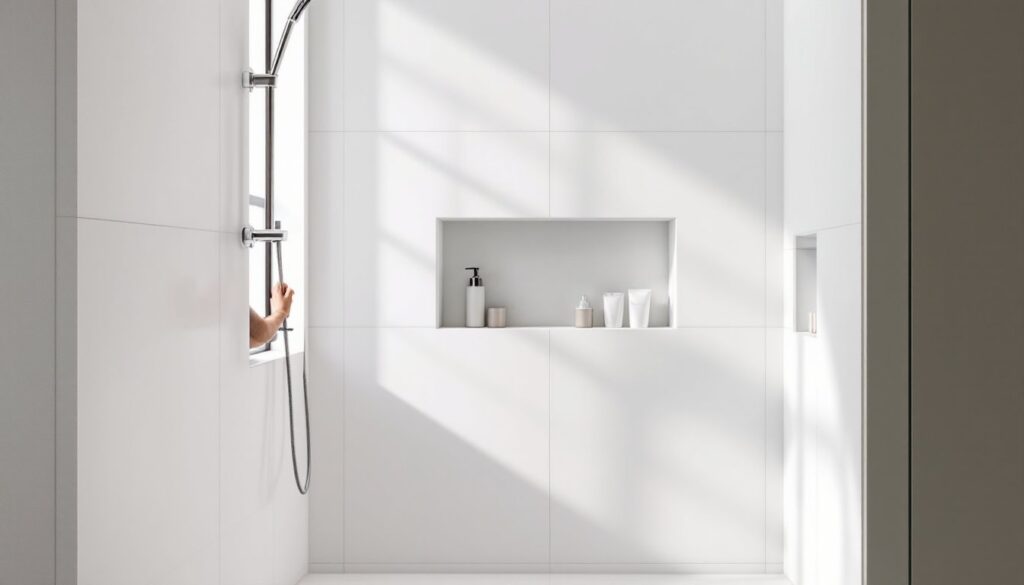
ToggleTile has ruled bathroom design for decades, but it’s not the only game in town, and it’s certainly not always the best choice for every project. If you’re looking at a shower remodel and dreading the thought of grout maintenance, tricky installations, or simply want a cleaner modern look, you’re in luck. Today’s market offers a range of durable, waterproof alternatives that install faster, require less upkeep, and deliver styles from sleek contemporary to natural stone elegance. Whether you’re a confident DIYer or planning to hire out, these non-tile options deserve serious consideration before you commit to mortar and spacers.
Key Takeaways
- Shower wall ideas other than tile offer faster installation, reduced maintenance, and fewer seams compared to traditional grout-based systems.
- Acrylic and fiberglass panels are the budget-friendly option, installing in a weekend with basic tools and requiring only dish soap for cleaning.
- Solid surface and engineered stone materials provide a high-end aesthetic with seamless integration and repairable surfaces that can last decades.
- Natural stone slabs deliver striking, unique aesthetics but require professional installation, annual sealing, and ongoing maintenance depending on the stone type.
- Waterproof PVC and composite panels offer trendy designs like concrete or barnwood finishes at low cost and in a single-day installation timeframe.
- Proper backing, waterproofing, and seam sealing are critical to the success of any non-tile shower, regardless of which material you choose.
Why Consider Alternatives to Traditional Tile?
Tile showers look great when they’re new, but the reality of ongoing maintenance can wear thin. Grout lines are magnets for mildew, and even with regular sealing, they stain and degrade over time. Re-grouting a shower every few years isn’t most people’s idea of fun.
Installation complexity is another factor. Tiling a shower correctly requires experience with waterproofing membranes, proper slope for drainage, and meticulous layout. A botched tile job can lead to leaks behind the walls and expensive structural repairs. If you’re hiring out, expect labor costs to rival or exceed material costs.
Alternative wall systems often install in days instead of weeks, skip the lengthy curing time for mortar and grout, and many are designed for confident DIY installation with basic carpentry skills. Plus, large-format panels mean fewer seams, which translates to fewer potential leak points and easier cleaning.
Cost can go either way. Premium tile and skilled labor add up fast, but luxury solid-surface materials aren’t cheap either. The value proposition shifts when you factor in time savings, reduced maintenance, and the potential to DIY.
Acrylic and Fiberglass Panels
Acrylic and fiberglass shower panels are the workhorse option for fast, budget-conscious remodels. These systems come in large interlocking panels, typically 2 to 4 feet wide and floor-to-ceiling height, that bond directly to prepped wall studs or over existing tile (if the surface is sound and level).
Acrylic is non-porous, resists mildew naturally, and cleans with nothing more than dish soap and a soft cloth. Fiberglass is slightly less expensive but more prone to scratching and may yellow over time with hard water exposure. Both materials are lightweight, which makes them manageable for a single installer.
Installation involves cutting panels to fit using a circular saw with a fine-tooth blade or a jigsaw, applying panel adhesive to the back, and pressing them into place. Seams get sealed with matching color silicone caulk. The entire process can be done in a weekend if walls are straight and plumb. No mortar, no grout, no curing time.
Design-wise, expect a practical rather than luxe aesthetic. Manufacturers offer patterns that mimic tile, stone, and even subway tile layouts, though up close the effect is clearly printed. These panels shine in rental properties, basement baths, and quick flips where durability and cost matter more than high-end finishes. Many products now come with coordinated shower fixtures and trims for a cohesive look.
Lifespan is typically 10–20 years depending on quality and care. Avoid abrasive cleaners, which dull the surface.
Solid Surface and Engineered Stone
Solid surface materials like Corian, Swanstone, and similar products are a step up in both appearance and price. These are typically made from acrylic or polyester resins mixed with mineral fillers, resulting in a non-porous, repairable surface that feels more substantial than basic acrylic.
The big advantage here is seamless integration. Solid surface panels can be thermoformed, routed, and joined with near-invisible seams using color-matched adhesive. Skilled fabricators can create integrated soap niches, built-in benches, and even seamless shower pans, all from the same material. If you scratch or stain the surface, minor damage can be sanded out, something you can’t do with tile or fiberglass.
Engineered stone panels (sometimes called quartz-surfacing shower panels) take it further by incorporating actual quartz aggregate for a stone-like appearance and exceptional hardness. Brands in this category offer realistic marble and granite looks without the maintenance baggage of natural stone. These panels are heavier and require more robust backing, ¾-inch plywood or cement board anchored to studs on 16-inch centers is typical.
Installation is usually not a DIY project unless you have experience with countertop fabrication. Panels need to be precisely measured, cut with specialized tools (a circular saw with a diamond blade works, but a track saw is better), and bonded with the manufacturer’s specified adhesive. Seams must be tight and properly supported. Most homeowners hire a certified installer, which adds $1,500–$3,500 to the project depending on shower size and complexity.
Cost for materials alone runs $50–$150 per square foot. For a standard 60-inch alcove shower with three walls, budget $2,000–$4,000 in materials before labor. The payoff is a high-end look with minimal grout lines and decades of low-maintenance life.
Natural Stone Slabs and Panels
If you want the real deal, actual quarried stone with all its natural variation, large-format natural stone slabs are now available in thinner profiles designed specifically for vertical shower installations. Marble, granite, travertine, and slate can all be sourced in slabs ranging from ½-inch to ¾-inch thick, in sizes up to 5 feet by 10 feet.
Using full slabs dramatically reduces seam count compared to traditional stone tile. A typical shower might need only two or three pieces, with seams filled and polished rather than grouted. The effect is striking and unmistakably high-end. Natural stone delivers texture, color depth, and uniqueness that no manufactured product can match.
The trade-off is maintenance. Stone is porous and requires sealing at installation and annually thereafter to resist water penetration and staining. Marble is particularly soft and reactive to acidic cleaners: even some body washes can etch the surface over time. Granite is harder and more stain-resistant but still needs sealing. Slate is durable and slip-resistant, making it a smart choice for shower floors as well as walls.
Installation is professional-grade work. Stone slabs are heavy, a 4-foot by 8-foot slab of ¾-inch granite weighs around 200 pounds, and require solid backing and mechanical fasteners plus to adhesive. Cutting and fitting stone demands wet saws, diamond blades, and experience. Expect to pay $3,000–$8,000+ for materials and installation in a standard shower, depending on the stone type and complexity.
Many homeowners browse stone design galleries to visualize how different materials will look in their space before committing to a purchase.
Waterproof Wall Panels and PVC Boards
PVC and composite waterproof wall panels are the dark horse of shower remodels. Often marketed under names like “bathroom wall cladding” or “laminate shower panels,” these products combine a printed decorative layer with a waterproof PVC or composite core. They’re designed to mimic wood, concrete, stone, or solid colors with surprising realism.
These panels are thinner and lighter than solid surface, typically ¼-inch to ⅜-inch thick, which makes them easy to handle and cut with standard woodworking tools. They install over existing drywall (as long as it’s moisture-rated), plywood, or cement board using panel adhesive or a track system. Seams lock together with tongue-and-groove edges or cover strips, and corners get finished with color-matched trim pieces.
The main appeal is speed and cost. A confident DIYer can panel a shower in a single day for $300–$800 in materials. No special tools, no heavy lifting, no curing time. The result won’t fool anyone into thinking it’s real stone, but in a kids’ bath, guest shower, or basement wet room, the practicality is hard to beat.
Durability is good but not bulletproof. High-impact blows can dent the surface, and cheaper products may fade or warp if exposed to very hot water over time. Stick with products explicitly rated for shower use and check for ASTM testing certifications for water resistance.
Some manufacturers now offer printed panels that replicate trendy looks like weathered barnwood, industrial concrete, or geometric patterns, styles that would be expensive or impossible to achieve with traditional tile. Just remember: these are laminate products. They work great in the right context but don’t try to pass them off as something they’re not.
Glass Blocks and Composite Materials
Glass block may feel like a ’90s throwback, but modern systems have evolved. Today’s glass block shower walls use pre-assembled panel sections or modular systems that snap together, eliminating the tedious one-block-at-a-time mortaring process. These panels bring natural light into enclosed showers while maintaining privacy, and they’re inherently waterproof with no grout to maintain.
Glass block panels install into a framed opening, typically with a vinyl or aluminum track system at the top, bottom, and sides. Silicone sealant finishes the edges. The result is a translucent, textured wall that adds architectural interest. They’re especially useful for creating partial walls or dividers in open-plan bathrooms.
The downside? Limited design flexibility. Glass block works for certain styles, industrial, retro, eclectic, but clashes with farmhouse or traditional aesthetics. And while the material itself is low-maintenance, it does show water spots and soap scum, so regular squeegee duty is part of the deal.
Composite materials like HPL (high-pressure laminate) and compact laminate boards are another modern option gaining traction in European and commercial design, now trickling into residential use. These boards are built from layers of resin-impregnated kraft paper compressed under heat and pressure, resulting in a dense, waterproof panel that’s scratch- and impact-resistant.
HPL panels come in a huge range of colors and textures, from matte black to wood grain to metallic finishes. They’re thinner than solid surface (typically ½-inch) and install similarly to PVC panels, adhesive or mechanical fasteners to a solid backer. Seams are sealed with silicone or joined with metal trim profiles.
Cost sits in the middle: around $30–$70 per square foot for materials. They’re relatively uncommon in U.S. home centers, so sourcing may require specialty suppliers or online orders. Check product specs carefully, not all laminates are rated for continuous wet environments. Look for EN 438 certification for water resistance if you’re going this route.
For visual inspiration and to see how these materials perform in real-world settings, many designers turn to platforms like Houzz to review installed projects.
Conclusion
Tile will always have its place, but it’s no longer the default choice for every shower. Whether you prioritize speed, budget, maintenance, or aesthetics, there’s a non-tile option that fits. Match your material choice to your skill level, design goals, and long-term plans for the space. And remember: proper backing, waterproofing, and seam sealing matter just as much as the finish material. Get those details right, and your tile-free shower will perform beautifully for years.