Table of Contents
ToggleCorner lots offer twice the visibility and twice the design challenge. While neighbors with standard lots have a single front-facing facade to worry about, corner lot owners need to create cohesive landscaping that looks good from multiple streets and angles. The extra exposure means more eyes on the property, and more opportunity to mess it up. But with the right approach, that extra square footage becomes a showcase, not a burden. This guide walks through the practical considerations, plant choices, and hardscape strategies that turn a corner front yard from afterthought into neighborhood standout.
Key Takeaways
- Corner front yard landscaping requires compliance with sight triangle regulations (typically 10-25 feet from intersection with maximum 30-inch height) to avoid fines and maintain driver safety.
- Use three-layer planting zones (ground covers under 18 inches, mid-height shrubs 2-4 feet, taller specimens 5+ feet) to prevent the ‘wall effect’ while maintaining visual balance and privacy on corner lots.
- Select low-maintenance, slow-growing plants like ‘Blue Star’ juniper, dwarf boxwoods, and ornamental grasses that won’t outgrow their space or require constant trimming within sight restrictions.
- Incorporate hardscape elements such as curved bed edges, retaining walls, and focal point features (mailbox surrounds, specimen trees) to define the corner space and reduce maintenance burden.
- Repeat three to five plant varieties in clusters along both street-facing sides to create rhythm, and avoid overcrowding—use negative space to let the eye rest and simplify upkeep.
- Plan corner lot landscaping with year-round interest through strategic plant selection (spring bulbs, summer perennials, fall grasses) and maintain clear sightlines quarterly to comply with local codes and preserve curb appeal from every angle.
Why Corner Lot Landscaping Deserves Special Attention
Corner lots face unique constraints that standard lots don’t. Setback requirements often dictate how close plantings and structures can sit to the property line, and these rules typically apply to both street-facing sides. Check local zoning ordinances before breaking ground, many municipalities require greater clearance on corner lots to preserve sightlines for drivers.
Sight triangle regulations are non-negotiable. Most jurisdictions mandate a clear zone (often 10 to 25 feet from the intersection, depending on road classification) where nothing taller than 30 inches can obstruct driver visibility. Violating this can result in fines or forced removal of plantings.
The extra exposure also means more maintenance. Two street-facing sides require mowing, edging, and upkeep, and curb appeal matters from every angle. On the upside, corner lots usually offer more sunlight and better airflow than mid-block properties, opening up plant options that wouldn’t thrive in shadier spots.
Design Principles for Corner Front Yards
Effective corner lot design hinges on visual anchors and transitional flow. The goal is to guide the eye from one street to the next without creating dead zones or awkward gaps.
Start by identifying a focal point, typically the front door, a specimen tree, or a hardscape feature like a stone pillar or decorative mailbox. This anchor should be visible from both streets and serve as the design’s centerpiece. From there, create sightlines that draw attention inward rather than letting the eye wander off the property.
Layering matters more on corner lots than anywhere else. Use three height zones: ground covers and low perennials in front (under 18 inches), mid-height shrubs and ornamental grasses in the middle (2 to 4 feet), and taller specimen plants or small trees at the back (5 feet and up). This staggered approach prevents the “wall effect” while maintaining privacy where needed.
Creating Visual Balance and Flow
Repetition ties corner landscapes together. Select three to five plant varieties and repeat them in clusters along both street-facing sides. This creates rhythm without monotony. For example, a grouping of dwarf boxwoods might appear near the front walkway, then again at the corner’s apex, and once more near the side property line.
Curved bed edges soften the harsh 90-degree angle where streets meet. Straight lines emphasize the corner’s geometry: gentle curves make the transition feel natural. Use a garden hose or spray paint to sketch curves before cutting into turf.
Avoid the temptation to cram every idea into one space. Corner lots benefit from negative space, areas of turf or mulch that let the eye rest. Overplanting reads as chaos from the street and multiplies maintenance.
Best Plants for Corner Front Yard Landscaping
Plant selection for corner lots prioritizes year-round interest, low maintenance, and appropriate scale. Choose varieties that won’t outgrow their space or require constant shearing to stay within sight triangle limits.
Dwarf conifers anchor corner beds without blocking views. Consider varieties like ‘Blue Star’ juniper (Juniperus squamata), which tops out at 3 feet, or ‘Green Velvet’ boxwood (Buxus), which holds a tidy 3-foot mound. These provide structure in winter when perennials go dormant.
Ornamental grasses add movement and texture. ‘Karl Foerster’ feather reed grass (Calamagrostis) grows upright to 4 feet and works well as a mid-layer plant. For lower borders, try blue fescue (Festuca glauca), which stays under 12 inches and tolerates poor soil.
Perennial flowers inject color without the replanting hassle of annuals. Black-eyed Susans (Rudbeckia), coneflowers (Echinacea), and daylilies (Hemerocallis) thrive in full sun and handle urban pollution. For shadier corner spots, hostas and astilbes perform reliably.
Groundcovers suppress weeds and reduce mulch needs. Creeping thyme (Thymus serpyllum) tolerates foot traffic and releases fragrance when stepped on. Creeping sedum varieties offer drought tolerance and fill gaps between pavers or along bed edges.
Avoid fast-growing shrubs that require frequent trimming (barberry, privet, forsythia) and trees with aggressive roots (silver maples, willows) that can buckle sidewalks. When in doubt, check mature sizes before planting, corner lots don’t forgive overgrown mistakes.
Hardscape Ideas to Define Your Corner Space
Hardscaping gives corner lots structure and reduces the grass-cutting burden. Well-placed pavers, stone, and borders turn awkward angles into intentional design.
Retaining walls work double duty on sloped corner lots. A dry-stacked stone wall (no mortar) at 18 to 24 inches high creates planting beds while managing grade changes. Use natural fieldstone or quarried limestone for a timeless look, or concrete retaining blocks (like Allan Block or Versa-Lok) for DIY-friendly installation. Walls taller than 3 feet typically require engineering and permits, consult local codes.
Edging defines bed lines and keeps mulch contained. Steel or aluminum landscape edging bends easily for curves and lasts decades. Plastic edging is cheaper but tends to heave in freeze-thaw cycles. Brick or stone borders add visual weight: set them in a sand base (not concrete) for easier future adjustments.
Pathways connect the front walk to side yards and break up large lawn areas. A flagstone path set in decomposed granite or pea gravel feels casual and drains well. For a more formal look, use concrete pavers in a running bond or herringbone pattern. Width should be at least 3 feet for comfortable passage.
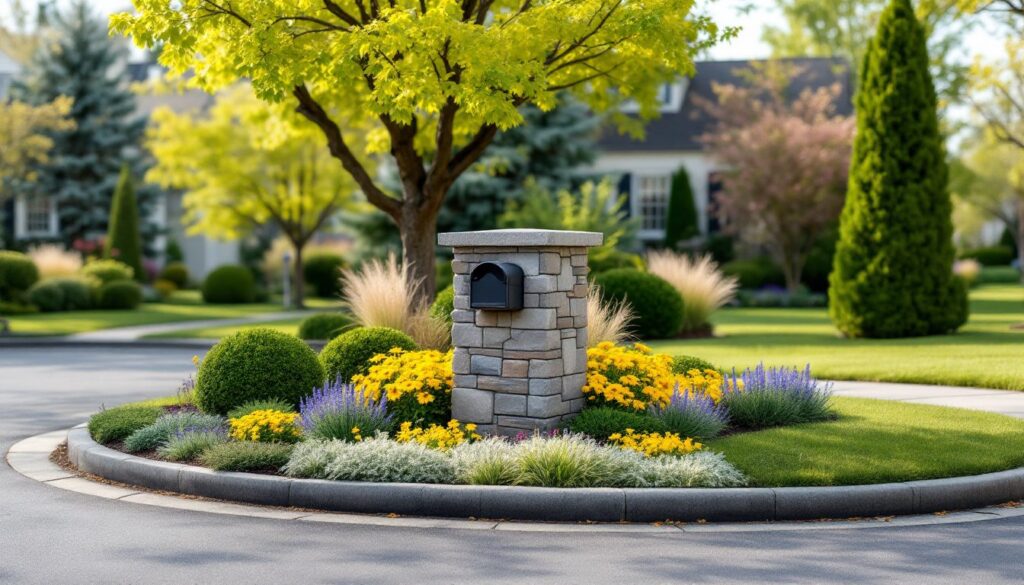
Mailbox surrounds or address markers serve as focal points. A stone pillar (real or faux stone veneer over a concrete block core) adds permanence. Alternatively, a cedar post with a planted bed at the base costs less and goes up in a weekend. Use those stone landscaping materials to match existing hardscape or home exterior.
Lighting extends curb appeal past dusk. Low-voltage LED path lights (rated for outdoor use, 12V systems) line walkways safely. Uplighting on specimen trees or architectural features adds drama. Install lights on a timer or photocell to avoid constant on/off chores.
Privacy and Screening Solutions for Corner Lots
Balancing openness with privacy challenges corner lot owners. Too much screening looks unfriendly: too little leaves the front yard feeling like a fishbowl.
Evergreen hedges offer year-round privacy but require patience. ‘Green Giant’ arborvitae (Thuja) grows 3 to 5 feet per year and reaches 20 to 30 feet at maturity, but it can overwhelm small lots. For tighter spaces, try ‘Emerald Green’ arborvitae, which tops out at 12 to 14 feet and stays narrow. Plant hedges 3 to 4 feet apart for solid screening within a few seasons.
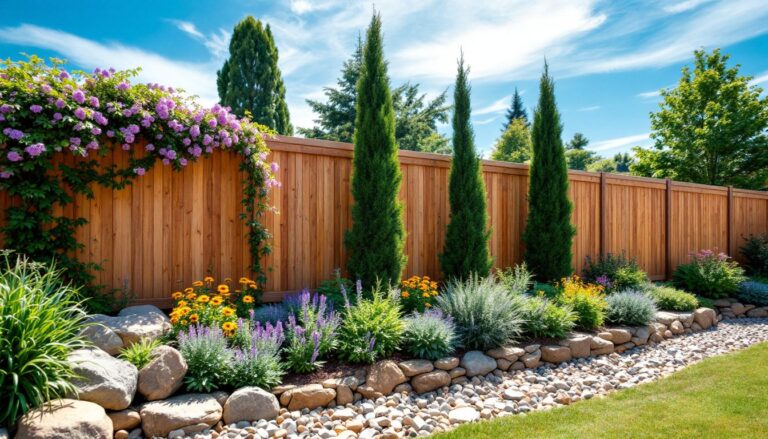
Ornamental fencing provides instant privacy without the wait. A horizontal slat fence (cedar or composite) at 4 to 6 feet high blocks sightlines while maintaining a modern aesthetic. Traditional picket or shadowbox fencing works for cottage or farmhouse styles. Check local fence height ordinances, many municipalities limit front-yard fences to 3 or 4 feet.
Trellises and pergolas create vertical interest and support climbing plants. A cedar or vinyl trellis anchored at the corner with clematis, climbing roses, or honeysuckle softens hardscape and adds seasonal color. Pergolas (minimum 8 feet tall for clearance) define outdoor rooms and can support shade-providing vines like wisteria or grapevines.
Layered plantings offer privacy without solid barriers. Combining diverse landscape elements at varying heights, tall grasses in back, mid-height shrubs in the middle, and low perennials up front, obscures sightlines without creating a fortress. This approach also keeps corner properties approachable and neighborly.
Avoid planting evergreen trees or tall shrubs inside the sight triangle. If privacy is a priority, work with the setback and sight triangle rules by placing screens well behind the restricted zone.
Maintenance Tips for Corner Front Yard Landscapes
Corner lots demand more upkeep than standard front yards, but smart plant choices and efficient techniques keep workload manageable.
Mulch beds annually. A 2- to 3-inch layer of shredded hardwood mulch or pine bark nuggets suppresses weeds, retains moisture, and regulates soil temperature. Pull mulch back from plant stems to prevent rot. Expect to top-dress mulch once a year, spring is ideal.
Edge regularly. Clean bed lines make even a simple landscape look intentional. Use a half-moon edger or a straight-shaft string trimmer turned vertically to recut edges every 4 to 6 weeks during the growing season. Metal or stone edging reduces this frequency.
Prune for shape and health. Trim shrubs in late winter (before new growth) to maintain size and encourage dense foliage. Remove dead or crossing branches on small trees annually. If plants outgrow their space even though pruning, it’s time to replace them, not to keep hacking them back.
Irrigate efficiently. Established perennials and shrubs need about 1 inch of water per week (including rainfall). A soaker hose or drip irrigation system delivers water to roots without wasting it on pavement or evaporation. Add a timer to automate watering and avoid the “oops, I forgot” dead plant scenario.
Monitor for pests and disease early. Corner lots with higher traffic see more stress on plants. Walk the property weekly and check for discoloration, wilting, or insect damage. Catching problems early, whether it’s aphids on roses or fungal spots on boxwoods, saves plants and money.
Fertilize appropriately. Most established landscapes need only one application of slow-release granular fertilizer (like 10-10-10 or organic equivalent) in early spring. Overfertilizing creates leggy growth and increases mowing and pruning chores. Soil tests (available through university extension offices) identify actual nutrient deficiencies before throwing down random products.
Plan for seasonal color rotation. Corner properties benefit from strategic landscape planning that includes spring bulbs, summer perennials, and fall ornamental grasses. This keeps the corner looking intentional year-round without constant replanting. Consider learning from transformational front yard projects that showcase how thoughtful plant selection drives seasonal interest.
Keep sightlines clear. Even low-maintenance plants grow. Schedule quarterly checks of the sight triangle zone and trim anything creeping above 30 inches. Local code enforcement won’t send a reminder, they’ll send a citation.
Corner lot landscaping isn’t inherently harder, but it does demand more intentionality. The properties that look effortless? Those are the ones where the owners planned for maintenance from day one and chose plants that fit the space, the climate, and their available time. Skip the high-maintenance showstoppers unless yard work is a hobby, not a chore.